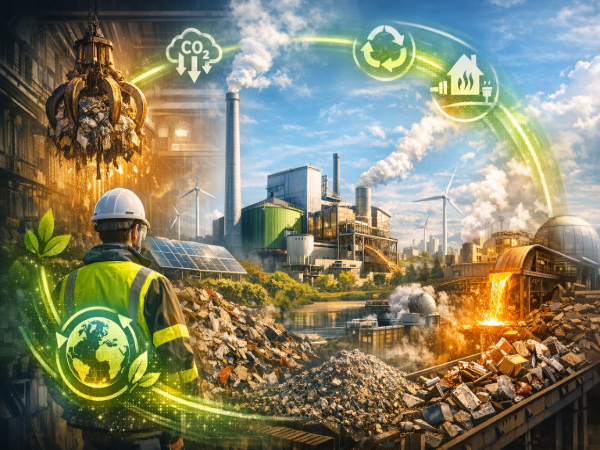
Encyclis is revolutionizing the energy-from-waste industry by transforming residual waste into low-carbon electricity, heat, and reusable materials. Through state-of-the-art technologies and sustainable practices, Encyclis not only reduces the environmental burden of waste but also drives the circular economy forward. Its innovative processes ensure that materials that would otherwise pollute landfills become valuable resources for communities, industries, and governments, contributing to carbon reduction, energy efficiency, and a more sustainable future.
Introduction to Encyclis
In the face of mounting environmental challenges and growing waste management concerns, Encyclis stands at the forefront of sustainable innovation. As one of the leading energy-from-waste companies, Encyclis has established itself as a global benchmark for turning residual waste into valuable energy and materials. The company operates with a vision that balances technological advancement, environmental responsibility, and societal benefit. By addressing the dual problems of waste accumulation and energy demand, Encyclis exemplifies the integration of business objectives with environmental stewardship.
The Mission of Encyclis
Encyclis’ mission is clear: to transform residual waste into clean energy, usable heat, and reusable materials while supporting the circular economy. This mission is driven by three primary objectives:
Environmental Responsibility – reducing the amount of waste sent to landfills, mitigating pollution, and promoting resource recovery.
Sustainable Energy Production – generating low-carbon electricity and heat from non-recyclable waste, ensuring a reliable energy supply.
Circular Economy Advancement – recovering metals and other reusable materials from waste streams, enabling their reintegration into industrial and commercial processes.
By achieving these objectives, Encyclis contributes to global efforts in carbon reduction, climate action, and the development of sustainable urban infrastructures.
How Encyclis Transforms Waste
The process by which Encyclis converts waste into energy is both sophisticated and environmentally conscious. It involves multiple stages:
1. Waste Collection and Sorting
Residual waste that cannot be recycled is collected from households, industries, and municipal sources. This waste undergoes rigorous sorting to remove hazardous materials and separate recoverable items such as metals and inert materials. The sorted waste is then prepared for energy recovery processes.
Thermal Treatment and Energy Recovery
Encyclis employs advanced thermal treatment technologies to convert residual waste into energy. This process includes high-temperature combustion under controlled conditions, which generates heat. The heat produced is harnessed to produce steam, which drives turbines to generate low-carbon electricity.
Heat Recovery
Beyond electricity generation, Encyclis captures excess heat from the thermal process for district heating systems. This enables local communities and industries to benefit from sustainable heat sources, reducing dependence on fossil fuels and promoting energy efficiency.
Material Recovery
After energy extraction, the remaining ash and by-products are carefully processed. Metals such as aluminum and steel are recovered and returned to manufacturing cycles, while residual ash is repurposed in construction and road-building applications. This ensures minimal waste and maximal resource utilization.
Key Technologies and Innovations
Encyclis distinguishes itself through its commitment to innovation and technological excellence. Some of the key technologies include:
Advanced Combustion Systems: Ensure efficient energy recovery with minimal emissions.
Emission Control Technologies: Reduce greenhouse gases, nitrogen oxides, and particulate matter, making the process environmentally responsible.
Carbon Reduction Initiatives: Including research into carbon capture and storage to further minimize environmental impact.
Renewable Fuel Integration: Incorporating renewable fuels such as hydrogenated vegetable oil (HVO) to reduce fossil fuel dependency.
These innovations make Encyclis not just a waste management company, but a leader in sustainable energy solutions.
The Role of the Energy-from-Waste Leader in the Circular Economy
The circular economy focuses on reducing waste, reusing materials, and recycling resources. The firm contributes to this model by:
Recovering valuable metals and materials from residual waste.
Diverting millions of tonnes of waste from landfills every year.
Producing low-carbon energy that supports green infrastructure development.
Providing sustainable heat solutions to urban and industrial areas.
Through these contributions, this organization ensures that waste is transformed from a problem into a resource, creating economic, environmental, and societal value.
Environmental Impact and Sustainability
One of the most compelling aspects of the company is its commitment to sustainability. By diverting waste from landfills, it prevents methane emissions, which are a potent greenhouse gas. The electricity and heat produced reduce reliance on fossil fuels, contributing to carbon reduction goals. Moreover, the recovery of metals and other materials reduces the need for virgin resource extraction, which in turn lowers environmental degradation.
The firm’s operations align with international environmental standards and sustainability frameworks, ensuring that every aspect of its work meets strict ecological and regulatory requirements.
Facilities and Operations
The organization operates multiple energy-from-waste facilities in the United Kingdom and Ireland, each designed to maximize efficiency and environmental compliance. These facilities include:
Newhurst Energy Recovery Facility – Handles large volumes of residual waste, producing electricity for thousands of homes.
Rookery South Facility – Features integrated heat recovery for local communities.
Earls Gate Facility – Focuses on innovative material recovery processes.
Dublin Facility – Combines advanced energy recovery with urban heat provision.
Each facility reflects the firm’s commitment to technological excellence, sustainability, and community engagement.
Community and Industrial Benefits
The company creates value not only environmentally but also socially and economically:
Job Creation: Skilled jobs in operations, engineering, and management.
Energy Access: Provides clean, reliable energy to local communities.
Material Supply: Recovered metals and ash support industrial processes.
Urban Development: Heat recovery systems support sustainable urban planning.
By integrating these benefits, the organization strengthens local economies while advancing environmental goals.
Challenges and Opportunities
Like any energy-from-waste operation, the energy-from-waste leader faces challenges such as regulatory compliance, technological maintenance, and public perception of waste-to-energy plants. However, these challenges are matched by opportunities:
Expanding carbon capture and storage initiatives.
Increasing renewable fuel use to further reduce emissions.
Enhancing material recovery rates to support circular economy goals.
Collaborating with governments and industries to optimize urban energy systems.
The firm’s proactive approach to innovation ensures that challenges are transformed into opportunities for growth and sustainability.
The Future of the Firm
This organization is poised for continued leadership in the energy-from-waste sector. With ongoing investments in technology, sustainability, and community engagement, the company is shaping the future of waste management and renewable energy. Its vision encompasses:
Net-Zero Carbon Goals: Developing strategies to achieve full decarbonization.
Global Expansion: Sharing best practices with international markets.
Research and Development: Pioneering new methods in energy efficiency and material recovery.
Through these efforts, the energy-from-waste leader is not only redefining waste management but also contributing to a more sustainable planet.
Conclusion
Encyclis exemplifies how innovation, sustainability, and responsibility can converge to create a positive environmental impact. By transforming residual waste into energy, heat, and reusable materials, Encyclis reduces landfill dependency, lowers carbon emissions, and supports the circular economy. With advanced technologies, environmentally conscious operations, and a commitment to community benefit, Encyclis is truly at the forefront of the energy-from-waste industry. Its work demonstrates that waste is not merely a problem to manage—it is a resource to harness, innovate upon, and use for a greener, cleaner, and more sustainable future.